See how much cash you could get with a reverse mortgage
No impact on your credit score and no obligation to proceed.

August 5, 2025
All options were explained clearly and concisely making the entire process quite easy from our end. I highly recommend requesting Brittany Hodge as your servicer as she is outstanding and moved things along VERY quickly.
August 3, 2025
The loan officer who guided me through the process was the most important element in this loan. We develop trust in each other. This was the second time I have had a reverse mortgage. I closed one out about ten years ago when I lived in a different state. I was already somewhat educated in the process but was blown away by the service I received.
August 3, 2025
The customer service provided was exceptional. Paul Jervis explained the procedures of my reverse mortgage every step of the way. He answered any questions I had and always responded to my phone calls or emails. I am very pleased that I chose Finance of America for a reverse mortgage.
July 29, 2025
Our agent was so helpful in explaining everything about the process. At our age and with our home being paid off it was the right decision to go forward to help us stay in our home which we have lived in for over 50 years. The process was smooth and everything explained along the way. We are thrilled with the decision and deciding on Finance of America.
July 28, 2025
They are so understanding and helpful explaining the whole process in detail. Alexis is the best! He never gave up on me, I had a few problems with family and he totally understood. Cassidy and Kathy were wonderful as well I can’t say one bad thing about anyone. I would recommend this Company to everyone.
July 24, 2025
Todd was especially helpful in explaining the details. It was also nice to have the informative class that was required before jumping into this without, knowing the facts. Made the experience comfortable without worry. All people involved were competent, and able to answer my questions, to make sure I was comfortable with the loan.
July 24, 2025
Communication with Finance of America was great. We were informed at every aspect of the transaction so that it went smoothly and as expected. There were no unexpected delays. We highly recommend them should other seniors want to pursue a reverse mortgage.
July 22, 2025
From the first contact to the final process the friendliness and support the staff offered was great the follow up was there everything was well explained the company sending people to inspect and finalize the process was great and the timeline great
July 17, 2025
Having spoken to 2 family members and a dear friend who had taken advantage of the plan. They both were satisfied. We needed to be assured at our ages that we could remain in our home and not worry about a mortgage each month. Our Loan officer was very patient and knowledgeable.
5-star reviews selected from Trustpilot. To see all reviews go to TrustPilot.com
Your existing mortgage will be paid off completely with proceeds from the reverse mortgage as a requirement of the loan. This eliminates your monthly mortgage payments*, freeing up that money for other needs like home upgrades, medical expenses or helping loved ones financially.
*The borrower must meet all loan obligations, including living in the property as the principal residence and paying property charges, including property taxes, fees, hazard insurance. The borrower must maintain the home. If the homeowner does not meet these loan obligations, then the loan will need to be repaid.
Is this correct?
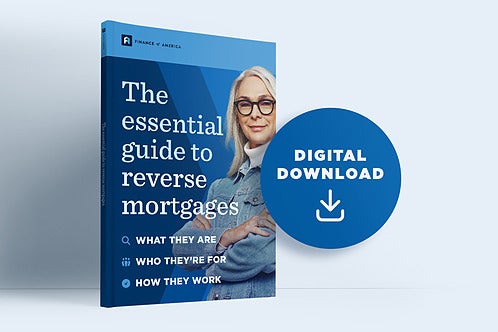
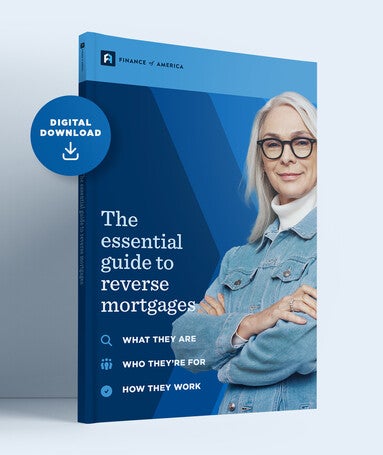
Learn how a reverse mortgage works and see if it could be right for you.
Your free guide is on its way! Check your inbox for an email from us.
Explore more resources