Make no new monthly mortgage payments1
keep your low-rate first mortgage
is a reverse second mortgage that gives homeowners 55+3 a way to unlock home equity while keeping their current mortgage exactly as-is.
Not ready to start?
1The borrower must meet all loan obligations, including meeting all loan obligations under the first lien mortgage, living in the property as the principal residence and paying property charges, including property taxes, fees, hazard insurance. The borrower must maintain the home. If the homeowner does not meet these loan obligations, then the loan will need to be repaid.




How HomeSafe Second works
What you get
Now- You could access anywhere from $50K7 to $1M in home equity
- No refinancing your current mortgage. Your current mortgage stays as-is
- No new monthly mortgage bill added to your budget1
What happens over time
Later- Interest accrues over time but no new monthly mortgage payments are required1
- Repay on your schedule — when you sell, move, or pass the home to heirs
- You’ll never owe more than the home’s value
1The borrower must meet all loan obligations, including meeting all loan obligations under the first lien mortgage, living in the property as the principal residence and paying property charges, including property taxes, fees, hazard insurance. The borrower must maintain the home. If the homeowner does not meet these loan obligations, then the loan will need to be repaid.
How HomeSafe Second compares
Here’s how it stacks up against other ways to access your home equity.
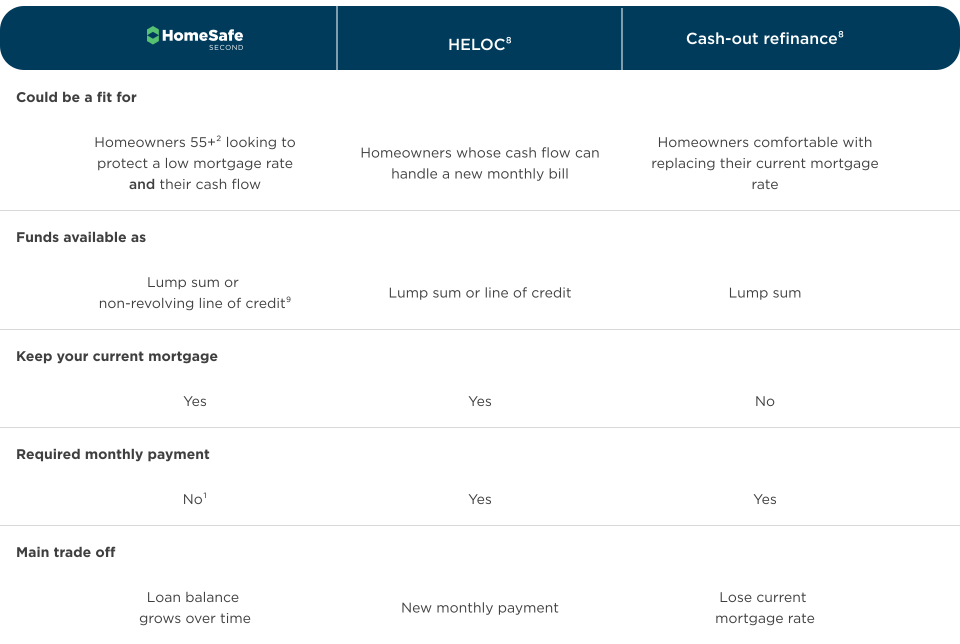
1The borrower must meet all loan obligations, including meeting all loan obligations under the first lien mortgage, living in the property as the principal residence and paying property charges, including property taxes, fees, hazard insurance. The borrower must maintain the home. If the homeowner does not meet these loan obligations, then the loan will need to be repaid.
8Terms vary by lender.
Is HomeSafe Second right for you?
Get a quick overview below, or dive into our decision guide for the full picture.
Could be good for:
- Keeping a low mortgage rate in place
- Avoiding a new monthly bill1
- Homes with significant built-up equity
- Tapping equity for planned or unexpected costs
May not be right for:
- Homeowners looking to move soon
- Homes with limited available equity
- Those unable to maintain the condition of their home.
Not sure? A specialist can help you decide.
1The borrower must meet all loan obligations, including meeting all loan obligations under the first lien mortgage, living in the property as the principal residence and paying property charges, including property taxes, fees, hazard insurance. The borrower must maintain the home. If the homeowner does not meet these loan obligations, then the loan will need to be repaid.
The questions worth asking before you decide
1The borrower must meet all loan obligations, including meeting all loan obligations under the first lien mortgage, living in the property as the principal residence and paying property charges, including property taxes, fees, hazard insurance. The borrower must maintain the home. If the homeowner does not meet these loan obligations, then the loan will need to be repaid.
1The borrower must meet all loan obligations, including meeting all loan obligations under the first lien mortgage, living in the property as the principal residence and paying property charges, including property taxes, fees, hazard insurance. The borrower must maintain the home. If the homeowner does not meet these loan obligations, then the loan will need to be repaid.
Important legal disclaimers
1The borrower must meet all loan obligations, including living in the property as the principal residence and paying property charges, including property taxes, fees, and hazard insurance. The borrower must maintain the home. If the homeowner does not meet these loan obligations, then the loan will need to be repaid.
2The HomeSafe reverse mortgage is a proprietary product of Finance of America and is not related to the Home Equity Conversion Mortgage (HECM) program. HomeSafe products are only available in certain states. Please contact us for a complete list of availability.
3Minimum age requirements vary by state and loan type. 62 is the minimum age for a HECM. Certain proprietary products have minimum ages as low as 55.
4As of March 2026. Rating based on verified reviews from Trustpilot.com
5Finance of America is listed as Best Reverse Mortgage Lender by Bankrate in Best reverse mortgage lenders in 2025
6Finance of America is listed as Best Reverse Mortgage Companies by money.com in Finance of America Reverse Mortgages Review. Finance of America is a paid advertiser with money.com.
7The minimum loan amount is $50,000, except in Oregon ($50,000.01) and Utah ($70,000).
9While HomeSafe Second Line of Credit permits amounts up to the total principal limit to be accessed in multiple or staged draws, the product is closed-end, meaning redraws of amounts repaid are not permitted. HomeSafe Line of Credit is not a revolving loan product. Available to borrowers in California.
